


lol646 register | Exploring the World of Strategy Games: A Journey Through Time and Tactics
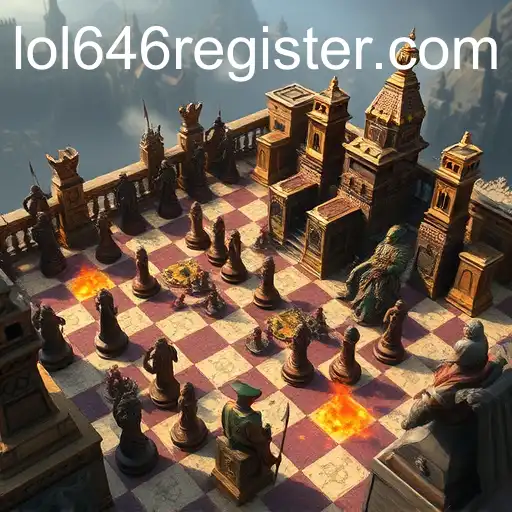
Strategy games have long been a captivating genre in the realm of gaming, offering enthusiasts a complex and rewarding challenge. These games require players to think critically, plan several steps ahead, and adapt to ever-changing scenarios. The beauty of strategy games lies in their diversity and adaptability, attracting a wide range of players worldwide.
At the heart of strategy games is the need for meticulous planning and forethought. Unlike other game genres that might rely heavily on reflexes or chance, strategy games emphasize the power of the human mind. From ancient board games like Chess and Go, which have been challenging minds for centuries, to modern digital masterpieces, the strategic landscape is vast and varied.
The evolution of strategy games has been remarkable. With the advent of computers and the internet, strategy games have moved beyond the constraints of physical boards. The genre expanded into real-time strategy (RTS) games like 'StarCraft', where players compete in fast-paced environments, managing resources and commanding armies in real-time. These games demand quick thinking and rapid decision-making, appealing to those who thrive under pressure.
Turn-based strategy (TBS) games, like 'Civilization,' allow players a more thoughtful approach, letting them ponder their next move without time constraints. This format is perfect for those who enjoy the tactical depth of planning several moves ahead, similar to chess but on a grander scale.
In recent years, the rise of multiplayer online games has added another dimension to strategy games. With titles like 'League of Legends' and 'Dota 2,' strategy fans can enter arenas where teamwork and tactics go hand in hand to outsmart opponents in dynamic virtual battlegrounds.
The rise of esports has also played a pivotal role in popularizing strategy games, turning them into a spectator sport with massive followings and high-stakes competitions. Fans enjoy the thrill of watching professional players employ intricate strategies and witnessing how different tactical approaches play out in real-time.
Strategy games' educational potential should not be overlooked either. Many games simulate real-world problems and scenarios, offering a hands-on way to understand complex subjects like resource management, logistics, and historical events.
For those new to this genre, getting started is as simple as finding a title that piques your interest and diving in. Whether you prefer the tranquility of single-player TBS games or the hectic thrill of RTS and multiplayer online battles, there's a strategy game out there for everyone.
In conclusion, the allure of strategy games lies in their ability to blend intellectual challenge with entertainment. They stimulate the mind, encourage strategic thinking, and promote healthy competition. As technology advances, the future of strategy games promises even more innovative and immersive experiences for players around the globe.
